Understanding Dementia: Alzheimer's Disease vs Dementia
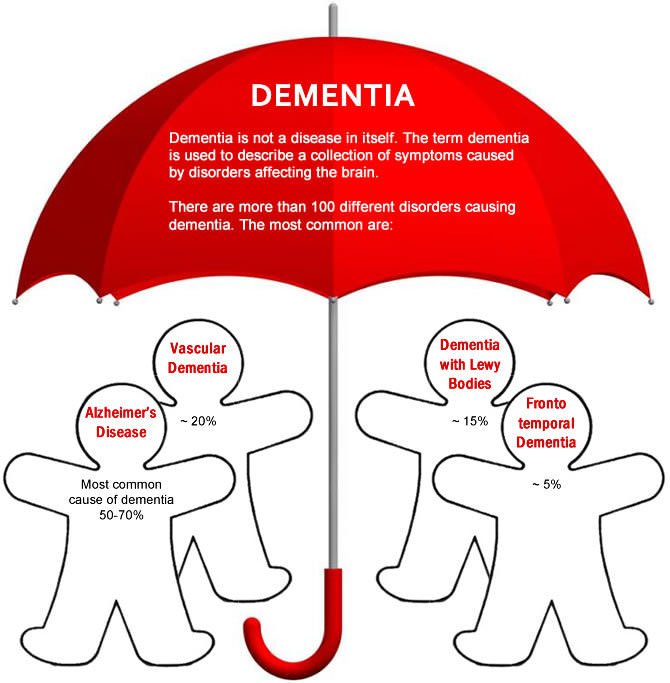
Dementia is an umbrella term used to describe a group of symptoms that affect memory, thinking, communication, behaviour, and the ability to carry out everyday tasks.
These symptoms are caused by diseases or conditions that damage the brain, with Alzheimer's disease being the most common cause.
Common symptoms of dementia include:
- Memory loss
- Difficulty communicating
- Problems with thinking and reasoning
- Changes in mood or personality
- Poor judgement and decision-making
- Confusion and disorientation
Dementia vs Alzheimer’s Disease
Dementia is a term used to describe a collection of symptoms, while Alzheimer's disease is a specific brain disease that causes those symptoms.
Alzheimer's disease is the leading cause of dementia, accounting for around 60–70% of cases worldwide. However, there are many other conditions that can also cause dementia.
Common Types and Causes of Dementia
More than 100 different conditions can lead to dementia. The most common include:
Alzheimer’s Disease
Alzheimer's disease is a progressive brain disorder that gradually damages brain cells, affecting memory, thinking, behaviour, and the ability to perform everyday activities.
It is the most common cause of dementia, responsible for approximately 60–70% of cases.
Common symptoms include:
- Memory loss
- Difficulty finding the right words
- Poor judgement
- Confusion
- Personality and behaviour changes
- Difficulty planning or completing familiar tasks
Although Alzheimer's disease most commonly affects older adults, it is not a normal part of ageing. The risk increases significantly after the age of 65, approximately doubling every five years.
Vascular Dementia
Vascular dementia develops when blood flow to the brain is reduced or interrupted, often as a result of a stroke or a series of small strokes. Reduced blood supply can damage brain cells and affect thinking and memory.
It is the second most common type of dementia, accounting for around 15–20% of cases.
Common symptoms include:
- Memory problems
- Confusion
- Difficulty concentrating
- Slower thinking
- Mood changes
- Problems with balance or walking
Symptoms may appear suddenly after a stroke or develop gradually over time.
Dementia with Lewy Bodies
Dementia with Lewy bodies is caused by abnormal protein deposits, known as Lewy bodies, building up inside brain cells. These deposits interfere with normal brain function and can affect movement, thinking, and behaviour.
It is one of the most common forms of dementia.
Common symptoms include:
- Changes in alertness and attention
- Visual hallucinations
- Movement problems similar to Parkinson's disease
- Sleep disturbances
- Depression
- Speech or communication difficulties
Fronto-temporal Dementia
Frontotemporal dementia (FTD) is caused by damage to the frontal and temporal lobes of the brain. These areas control behaviour, emotions, personality, and language.
Unlike Alzheimer's disease, memory is often unaffected in the early stages. Instead, the first signs are usually changes in behaviour, personality, decision-making, or language skills.
Mixed Dementia
Mixed dementia occurs when a person has more than one type of dementia at the same time. The most common combination is Alzheimer's disease and vascular dementia, although other combinations are also possible.
Symptoms vary depending on the types of dementia involved and may overlap, making diagnosis more challenging.
Parkinson’s Disease
Some people living with Parkinson's disease develop dementia as the condition progresses.
Parkinson's disease dementia is associated with Lewy body disease and primarily affects thinking, memory, attention, and problem-solving.
Common symptoms include:
- Memory loss
- Reduced concentration
- Difficulty planning or organising tasks
- Poor judgement
- Slower thinking
Dementia Statistics:
- Around 55 million people worldwide are living with dementia.
- Nearly 10 million new cases are diagnosed each year.
- Dementia is expected to affect approximately 78 million people by 2030 and 139 million by 2050.
- Alzheimer's disease accounts for around 60–70% of all dementia cases.
- Although dementia is more common in older adults, it is not a normal part of ageing.
- Younger-onset dementia can occur in people under the age of 65.
Early diagnosis is important, as it allows people living with dementia and their families to access treatment, support services, and care planning sooner. While there is currently no cure for most types of dementia, treatment and support can help manage symptoms and improve quality of life.






My Dad has been diagnosed with vascular dementia, he is now 79.
He had a mild stroke at the age of 58.
Thank you for this information, it makes sense to me now.
There is also dementia caused by - huntington's disease, Korsikoff's (check spelling) or acquired dementia such as brain damage... which some toxins can cause.
Great information ,thank-you.
Another rare type of dementia not mentioned in your article is Posterior Cortical Atrophy where people experience decline in processing visual information and therefore progressively lose the ability to interpret what they see. It results in nonrecognition of objects, problems with spatial awareness, depth perception, judging distance as well as problems with speech and thought. The Australian Alzheimers Association have very good fact sheets available on their website for alot of the specific types of dementia; well worth the look.
the Uni of Tasmania course is brilliant....I have done it and am thinking of doing further studies.
Cheers Jo
I'm in my second semester of the Bachelor of Dementia care and it is proving to be wonderful. Lots of hard work but definately worth it. There is a course called "MOOC" which is a self paced introduction to the course and would be a great start for anyone looking at doing it.
Anne
this is very informative,thanks
Rosalinda, I googled the UT and they will put you on their list and inform you when the next course is to be run...cheers Jo
Hi Mary
Please give me details of the course run by UT... hope it's open through the year.
Cheers
Rosalinda
If any one is interested there is a very good course run by the university of Tasmania. Its a free on line course and very informative and interesting.
Great information! Thank you.
Even though we have had this information through training, I find this information very rewarding to read again.